
The Of 10 Reasons Your Dog Needs A Privacy Fence
Fascination About Best Fences For Dogs - Pet Friendly Fencing Ideas
Learn More:

Second of all, we use netting product that does not stop at the bottom. In truth it continues about 6 inches, towards you like a backwards "L", like this shape:. Although it is not the only element that develops your dig guard to avoid your canines from digging under, it is the most important component to keep a digging pet secure on your home.
Robert Frost is credited with saying, "Great fences make great neighbors." How does this sentiment relate to next-door neighbors with dogs? For people who are afraid of canines, do not like their lawns dotted with feces, and dislike muddy paw prints on the patio, the relationship is clear - if a canine owner keeps his pet dog in his own backyard, he's a good neighbor.
Fencing prevents a dog from becoming an area problem, however there are other concerns at hand. Keeping a dog properly restricted keeps him safe by preventing incidents associated with complimentary roaming. Fenced-in dogs are less likely to be hit by vehicles, have less aggressive interactions with other pets, have actually reduced direct exposure to contagious illness, and are less readily available to pet thieves.
Here are benefits and disadvantages to popular unnoticeable fences. Although there are less costly variations of standard fences, neighborhood codes often specify the types of building and construction products that are allowed. Some fencing materials are costly (wood, iron) and labor is an added expense. Unnoticeable electric fences are typically less costly even when expertly installed.
Unnoticeable fences can cover uneven areas, wooded areas and water. Likewise, electronic fences can cover acres of ground in any pattern to create big workout locations for canines. Undetectable fences are, well, invisible. These barriers do not aesthetically interfere with picturesque views or green areas and boost the feeling of being outdoors.
The inconvenience of describing flags is temporary. When the dog learns the boundaries of the electrical fence, the flags can be eliminated. Electric fences can be installed faster than traditional enclosures. Trenching and laying wire takes less time than laying fence posts, nailing boards, welding iron, or rolling wire.
Some Known Incorrect Statements About Pet Fence For Dogs, Cats - Dog Containment Systems And ...
Family pet owners often forget to close a gate, so electrical fences minimize the opportunity of escape in busy families with great deals of foot traffic. Intruders may be discouraged by the presence of a dog in the backyard considering that they aren't most likely to understand that the canine might not in fact have the ability to reach them.
This needs a training period where the owner and dog stroll the border of the fence keeping in mind the flags. Fencing business normally supply training protocols and hang out working with owners and their pets. Although invisible fences secure pet dogs by preventing them from leaving the lawn, they do not prevent hazards from entering the yard.
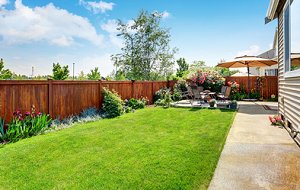
Some dogs become upset when they enjoy neighborhood pet dogs easily romp about and recognize that they can not participate in. This is particularly discouraging if neighboring pets "tease" or play just out of variety. Friendly, sociable pets also end up being frustrated when they see another pet or human technique however can not welcome them.
When a canine ignores the audible signal, an electric stimulus is discharged which startles the canine however is not unpleasant if the apparatus is set properly. If the power supply is disrupted by a cut wire or dead battery in the collar, escape is still a possibility. Luckily, most canines remember their preliminary training and respect the border even when the fence is not energized. Rescue companies typically hold adopters to a high standard, and not surprisingly. These groups take in pets who have actually been thrown away, overlooked, or deserted, and try to discover them forever homes. A good rescue company does not simply want a canine to discover any house, however the best home with the right family, with the primary goal being "Let's make sure that this canine does not wind up in a shelter or rescue ever once again." This implies many things: that some pets are not embraced into multidog houses, that others are not adopted into homes with kids, that active pet dogs are not sent out to live with sofa potatoes, that dogs with behavioral problems are not sent http://edition.cnn.com/search/?text=dog to households ill-equipped to deal with the training obstacles they face, and so on.
However also, frequently, high on the list of adoption criteria is one that galls us: MUST HAVE FENCED-IN BACKYARD. I dislike this one, huge time. Here are a number of reasons. Much of the families in my communities have fenced-in lawns. The vast bulk of canines living in those homes never opt for a walk.
See More:
Read More: Click for source
Even in cooler conditions, the pets are either lying down or engaging in boredom-induced habits like barking, digging, patrolling, self-mutilation (excessive licking and chewing at self, etc.), but I really never ever see dogs simply running around exercising themselves not being watched in their backyards. How are these pets much better off than one who invests his day unwinding in a cool home, chewing on a marrowbone, and being secured for an agility class or long walk in the night? I'm uncertain.
The Best Dog Proof Fences - Types Of Fencing To Keep Dogs ... - An Overview
Not cool. Let's say we have a Basic Poodle in rescue who is an incredible sporting possibility. Two families are interested in adopting this canine. One is an active couple who live in the city and are overall "pet geeks." They might live in an apartment or condo building and have no lawn at all, however one works from home and can take the canine out for short strolls during the day, a long walk each evening, agility classes Tuesday night, and sheep herding, outdoor camping, hiking, biking, or dock-diving on the weekend.
